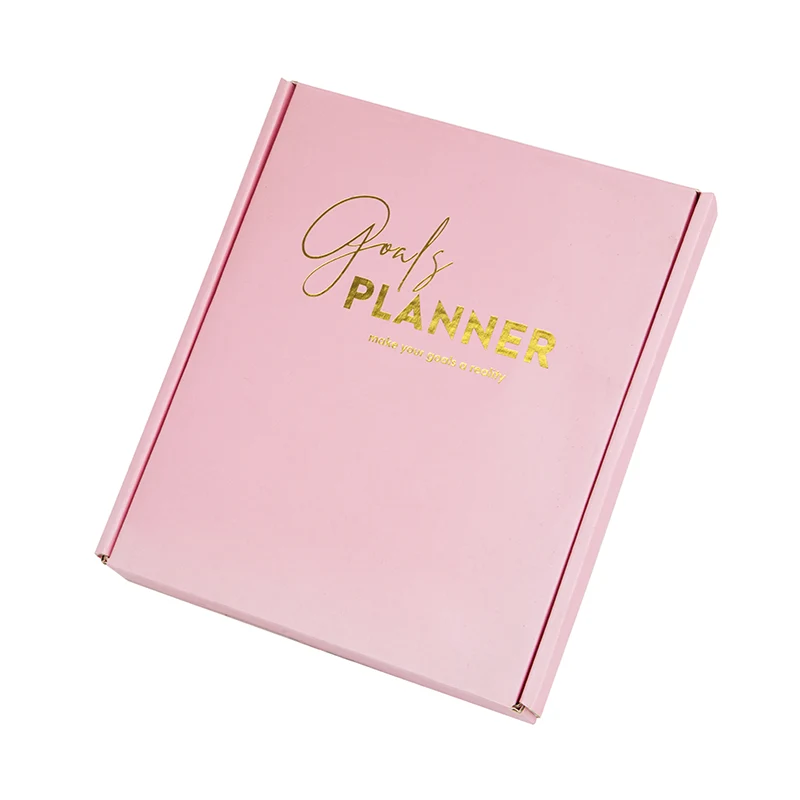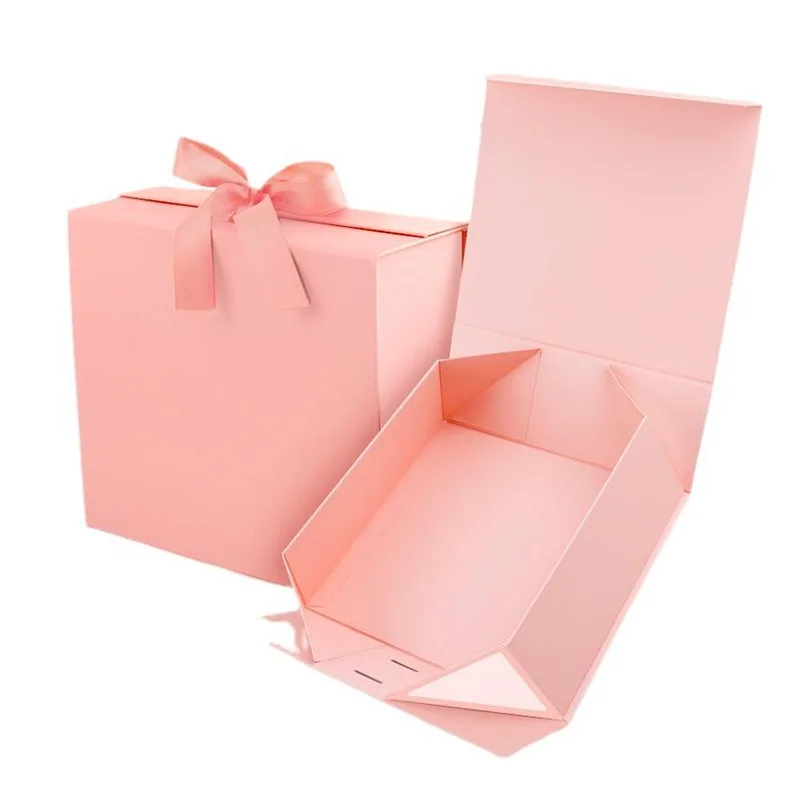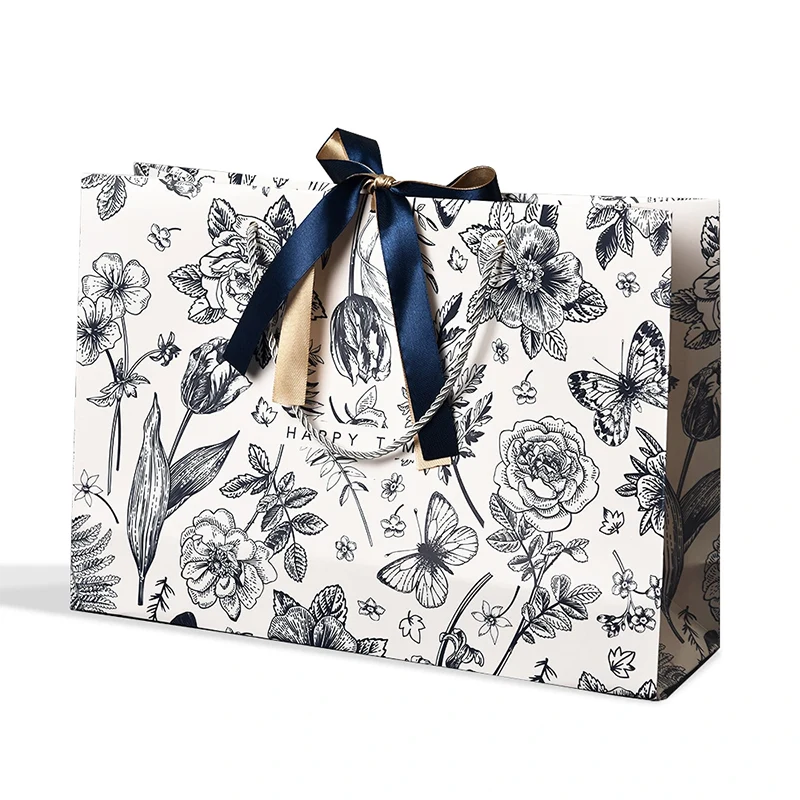

Paper bags have evolved far beyond their simple beginnings as basic grocery carriers. In modern commerce, they symbolize sustainability, brand value, and environmental responsibility. A paper bag is made primarily from kraft paper or recycled pulp, designed to carry various products such as food, clothing, gifts, and industrial goods. The growing demand for eco-friendly packaging solutions has positioned paper bags as a leading alternative to plastic bags—driven by global sustainability goals, strict environmental regulations, and shifting consumer preferences toward biodegradable materials.
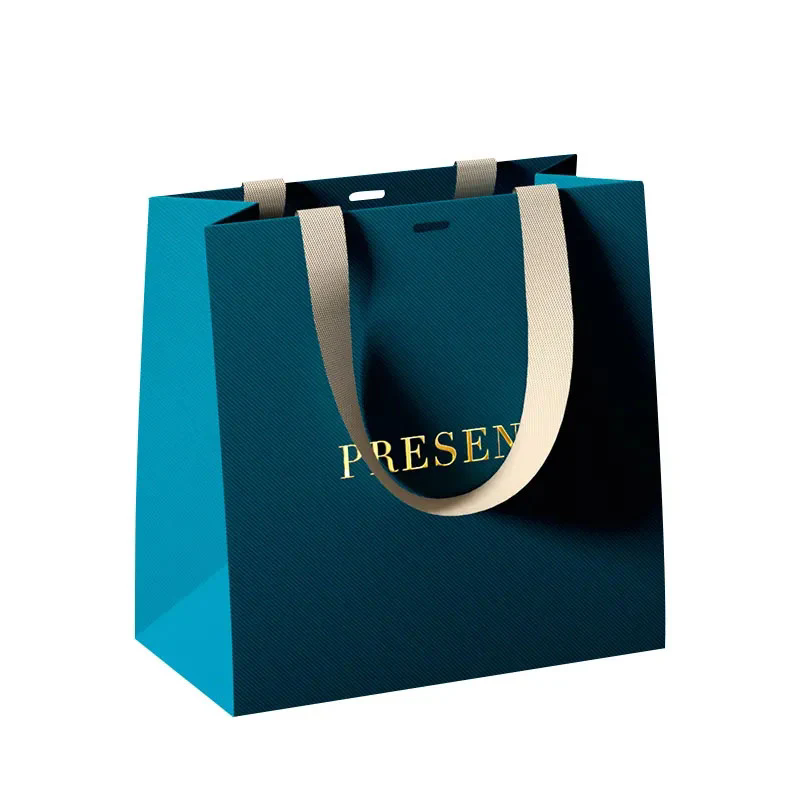
The versatility of paper bags makes them adaptable across industries. From retail boutiques and supermarkets to luxury brands, companies are turning to customized paper bags that enhance both aesthetics and functionality. They are not only biodegradable but also recyclable and compostable, minimizing waste and reducing carbon emissions.
Below is a technical overview of standard paper bag specifications that define their quality and usability:
| Parameter | Specification Range | Description |
|---|---|---|
| Material Type | Kraft paper, recycled paper, coated paper | Determines strength, smoothness, and finish quality. |
| GSM (Grams per Square Meter) | 70 – 250 GSM | Controls bag thickness and weight capacity. |
| Handle Type | Twisted paper, flat paper, rope, die-cut | Provides functional and aesthetic flexibility. |
| Printing Method | Offset, flexographic, digital printing | Enables branding through high-quality logo and design application. |
| Size Range (cm) | 15x20 to 60x80 | Available in various dimensions for different packaging needs. |
| Color Options | Natural brown, white, custom Pantone shades | Customizable to match brand identity. |
| Load Capacity | 1 kg – 25 kg | Defines bag durability and strength under load. |
| Surface Finish | Glossy, matte, lamination, embossing | Adds visual appeal and moisture protection. |
| Eco Certification | FSC, PEFC, ISO 14001 | Ensures compliance with global sustainability standards. |
With these parameters, paper bags are engineered not only to meet design requirements but also to maintain reliability and performance under practical usage conditions.
The rising popularity of paper bags can be attributed to three main drivers:
Government Regulations: Bans on single-use plastics in several countries have accelerated the transition to paper-based packaging.
Consumer Awareness: Modern shoppers prefer eco-conscious brands that align with their sustainability values.
Corporate Responsibility: Companies are integrating environmental sustainability into their brand narratives, making paper bags a natural choice.
Paper bags are recognized for their low environmental impact and renewability. While plastic bags may take centuries to decompose, paper bags are biodegradable within months, depending on environmental conditions. The raw material—wood pulp—is renewable, and most manufacturers today source it from responsibly managed forests. Moreover, paper bags can be recycled up to seven times, further reducing the demand for virgin resources.
Key Environmental Advantages:
Biodegradability: Naturally decomposes without releasing harmful microplastics.
Renewable Resources: Derived from sustainable forestry practices.
Lower Carbon Footprint: Production emits fewer greenhouse gases compared to petroleum-based plastics.
Recyclability: Efficiently integrated into paper recycling systems worldwide.
Energy Efficiency: Modern papermaking utilizes renewable energy and closed-loop water systems.
Beyond environmental benefits, paper bags have become an instrument of branding. The tactile feel, customizable textures, and visual appeal make them a marketing tool that communicates quality and care. High-end retailers use premium coated paper bags with embossed logos to enhance customer perception, while supermarkets favor lightweight kraft bags for practicality.
However, not all paper bags are equal. Factors such as paper thickness, handle design, and lamination quality significantly influence both performance and recyclability. For instance, laminated paper bags provide water resistance but reduce compostability. Hence, eco-conscious brands often opt for uncoated or water-based laminated options, achieving durability without sacrificing sustainability.
The life cycle assessment (LCA) of paper bags shows that when recycled properly, they outperform plastics in total environmental impact. Combined with advances in recycling technology, paper bags represent a future where packaging aligns with the circular economy—where waste becomes a resource, not a burden.
The paper bag industry is undergoing rapid transformation, integrating technology, automation, and design innovation. Modern paper bag production lines are fully automated, capable of producing thousands of high-quality bags per hour with precise cutting, folding, and printing. Manufacturers are also investing in AI-driven quality control systems, ensuring uniformity and reducing material waste.
Technological Trends in Paper Bag Production:
Automation and Robotics: Streamlined production reduces labor costs and enhances precision.
Water-Based Printing Inks: Replace chemical solvents, ensuring non-toxic and food-safe packaging.
Reinforced Bottom and Handle Designs: Improve load capacity and usability.
Smart Packaging Integration: QR codes and NFC tags are being embedded for brand engagement and traceability.
Eco-Coating Materials: Innovations in biodegradable coatings allow moisture resistance without plastic films.
The future trend points toward biopolymer blends, combining paper with natural materials like starch or cellulose-based coatings for extra strength. These hybrid materials maintain full recyclability while extending the bag’s lifespan. Furthermore, paper bag customization is becoming highly sophisticated—brands can now order short production runs with personalized prints, seasonal designs, and sustainable finishes.
This evolution is also driven by consumer expectations. As sustainability becomes a key differentiator, companies that adopt eco-friendly paper packaging will gain a competitive edge. Aesthetic appeal, usability, and recyclability are no longer separate goals—they must coexist.
The market for paper bags is projected to grow steadily through 2030, particularly in the food service, fashion retail, and e-commerce sectors. With continuous innovation in raw material sourcing, manufacturing technology, and logistics optimization, paper bags are set to become the default global standard in sustainable packaging.
Q1: Are paper bags strong enough to replace plastic bags for heavy items?
A: Yes. Modern paper bags, particularly those made from high GSM kraft paper with reinforced bottoms and twisted handles, can support loads from 5 kg up to 25 kg. The strength depends on material density, adhesive quality, and bag design. For industrial or grocery use, multi-ply paper bags are often used, offering durability comparable to thick plastic alternatives.
Q2: Can paper bags be waterproof?
A: Paper bags can be made water-resistant using eco-friendly coatings such as starch-based or water-based laminates. These coatings prevent moisture absorption while maintaining biodegradability. However, full waterproofing (as in plastic bags) is not common since it limits recyclability. For food and beverage applications, semi-coated kraft paper offers an ideal balance between protection and sustainability.
The shift toward paper packaging is not just a response to environmental regulations—it’s a reflection of brand identity evolution. Modern consumers expect transparency, ethics, and sustainability. Paper bags naturally align with these values, providing brands an opportunity to communicate responsibility without words. The look and feel of a well-designed paper bag influence perceptions of authenticity and quality, which digital marketing alone cannot replicate.
From luxury boutiques using custom embossed matte-finish paper bags to eco-friendly cafés offering brown kraft takeaway bags, the message is consistent—“We care about the planet.” This subtle yet powerful branding strategy resonates deeply with environmentally conscious audiences.
In the coming years, digital printing technologies will further personalize the paper bag experience. Businesses can design interactive bags featuring QR codes linked to sustainability stories, promotions, or traceability data. Combined with recyclable inks and FSC-certified materials, paper bags will serve both functional and storytelling roles.
As global sustainability standards tighten, companies investing in eco-friendly packaging now will not only reduce regulatory risks but also strengthen long-term brand equity. Paper bags represent more than packaging—they embody a movement toward conscious consumption and environmental stewardship.
For businesses seeking to stay ahead in this transition, Yanhe stands as a trusted manufacturer of high-quality, eco-conscious paper bags. Combining precision engineering with sustainable materials, Yanhe ensures that every product meets global environmental standards while supporting custom branding needs.
To explore more about Yanhe’s paper bag solutions or request a consultation, contact us to discover how sustainable packaging can elevate your brand’s identity and environmental impact.