
In an era dominated by digital photos and cloud storage, there remains a quiet, powerful counter-movement: the return to analog record-keeping for life's most precious moments. Among new parents, the Baby Daily Growth Notebook has experienced a renaissance, not as a nostalgic relic, but as a conscious choice to create something lasting and tangible. While a smartphone can capture a thousand images, it cannot capture the weight of a handwritten note, the texture of a pressed flower, or the intimacy of a parent's words recorded in ink. These notebooks are not merely journals; they are time capsules, designed to carry the story of a child's first years across decades and even generations.
What distinguishes a Baby Daily Growth Notebook from a simple blank journal is the intentionality behind its design. It is not a random collection of pages but a structured narrative, a curated space for recording milestones, growth metrics, and the small, fleeting details that make each childhood unique. Its timeless quality lies not just in the memories it holds but in its physical durability, its aesthetic appeal, and its ability to engage both the writer and, years later, the reader. This article explores the specific features, materials, and design philosophies that elevate a Baby Daily Growth Notebook from a passing trend to a true family heirloom, ensuring it will be cherished by generations to come.
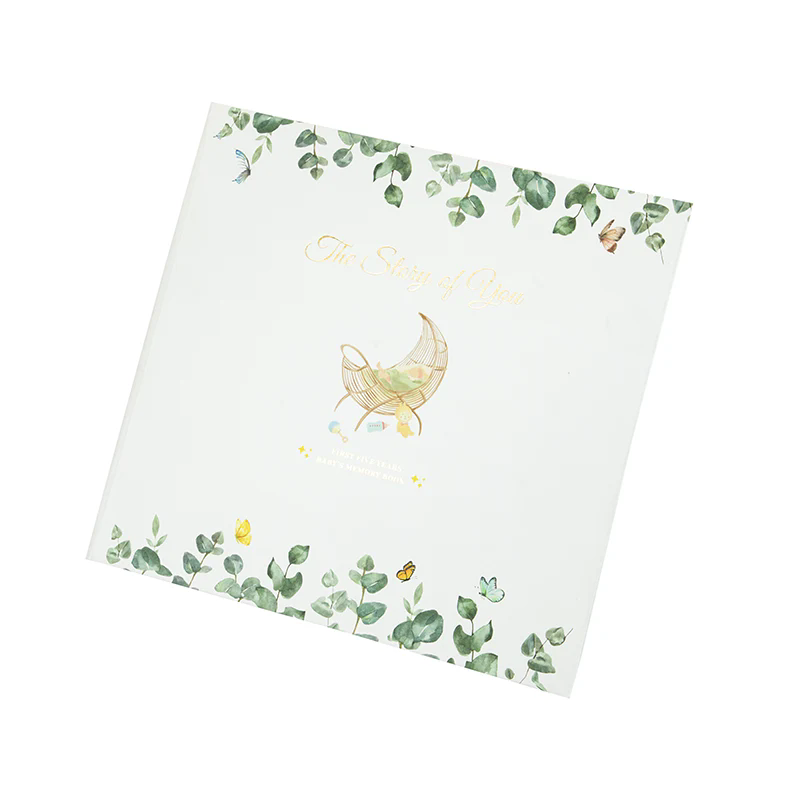
A Baby Daily Growth Notebook is not a blank canvas; it is a carefully architected framework designed to guide the user through the process of documenting a child's growth. This structure transforms the notebook from a simple book into a tool for preserving memory. The most effective designs use a combination of structured pages and open, flexible spaces, balancing guidance with freedom. A notebook built solely on structure can feel restrictive, while one with no structure at all can be intimidating or easily abandoned.
Consider the typical architecture of a well-designed Baby Daily Growth Notebook. It usually opens with a presentation page—a dedicated space for the child's name, birth details, and a photograph. This is often followed by a "family tree" section or a page for the parents' names and a brief family history. The main body of the notebook is then divided into sections that follow the developmental trajectory of a child. The first few months often have more detailed pages, with space for daily or weekly entries, while later months transition to monthly or milestone-based entries. This structure reflects the rapid pace of change in a baby's first year and the slowing of major milestones in toddlerhood.
The specific sections are the notebooks' functional core. A typical high-quality notebook includes all of the following:
The specific organization of these sections is not arbitrary; it reflects an understanding of how memory works. By providing a structured space for recording, the notebook encourages the user to reflect and capture moments that might otherwise be forgotten. In our factory at Wenzhou Yanhe Technology Co., Ltd., we have studied the most effective notebook structures and incorporated them into our Baby Daily Growth Notebook design. We know that a well-organized notebook is more likely to be used and, ultimately, more likely to become a cherished keepsake.
Intention alone will not create a heirloom-quality Baby Daily Growth Notebook. The physical materials used in its construction are equally important. A notebook is designed to be handled daily for a year or more, thumbed through by eager parents, and perhaps even studied later by the child. After that, it sits on a shelf, waiting to be rediscovered. This is a demanding life. The materials must withstand frequent use, resist the effects of time and light, and remain pleasant to touch and use. The visual and tactile qualities of the materials also contribute to the notebook's aesthetic appeal and its perceived value as a keepsake.
The most critical material is, of course, the paper. Low-quality paper will yellow, become brittle, and feather ink, ruining the handwriting it was meant to preserve. For a Baby Daily Growth Notebook that is intended to last for generations, acid-free, lignin-free paper is a non-negotiable requirement. This type of paper is chemically stable and will not deteriorate over time. The paper weight is also important. A heavier paper (typically 100-120 gsm) prevents ink from bleeding through, allows for a better writing experience, and feels more substantial—a quality that adds to the overall sense of value. Many premium notebooks also use a slightly textured paper, which provides a pleasant tactile resistance for writing.
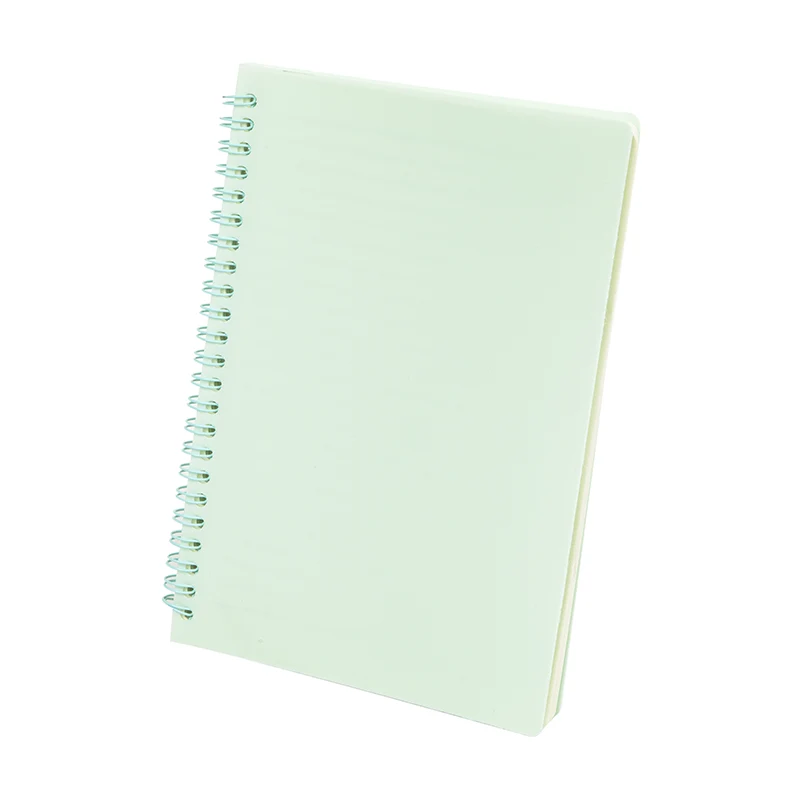
The binding is the backbone of the book. A good binding allows the notebook to open flat, making it easier to write on all parts of the page. For a journal that will be used daily, a sewn binding is preferable to a glued binding. Sewn bindings are more durable and allow the book to lay flat, making writing more comfortable. For notebooks that are expected to last a long time, a case binding (similar to a hardback book) provides the highest level of protection. The cover is the first thing the user sees and touches, and it is the primary protection for the pages. A durable cover protects the notebook from wear and tear.
The specific material composition of a Baby Daily Growth Notebook is detailed in the following table.
| Component | Optimal Material | Why It Matters |
| Paper | Acid-free, lignin-free, 100-120 gsm | Prevents yellowing, feathering, and deterioration over decades |
| Binding | Sewn, case-bound (hardcover) | Allows flat opening, maximum durability, long-term protection |
| Cover Material | Leather, linen, or premium coated paperboard | Provides tactile quality, aesthetic appeal, and structural protection |
| Ink Compatibility | Paper coated for use with fountain pens, ballpoints, and archival inks | Ensures the writing will not smudge or fade |
| Archival Storage | Can be stored in acid-free boxes | Allows for safe long-term preservation |
At Wenzhou Yanhe Technology Co., Ltd., we place a strong emphasis on material quality. Our Baby Daily Growth Notebook is manufactured using acid-free, archival-grade paper and a durable binding that is designed to withstand decades of use and storage. We understand that a notebook is not just a product; it is a vessel for memories that are intended to last a lifetime. The physical quality of the notebook is a reflection of the importance of those memories.
A Baby Daily Growth Notebook is only valuable if it is used. The most beautiful, well-constructed notebook will remain a blank vessel if it is not filled. Design, therefore, extends beyond aesthetics to include functionality and user experience. The design must actively encourage the user to open the notebook, write in it, and continue to use it over time. This is where thoughtful design becomes an essential feature of the product. The notebook must be a pleasure to use, not a chore.
One of the most important design features is the prompt. For a new parent, the hours of the day often blur together, and the small, daily details can be lost. A good notebook provides gentle prompts that help parents focus on what to record. The prompts should be specific enough to guide but open enough to allow for personalization. For example, a prompt like "Baby's mood today:" is clear and simple, guiding the parent to reflect. A prompt like "Describe your favorite moment today" encourages a more narrative entry. A mix of both creates a rich and varied record.
The layout and typography are also crucial. The notebook should be easy to read and inviting to use. The text should be clear and legible, with a comfortable font size and spacing. The page layout should be clean and uncluttered, with enough space for writing. Some notebooks use a combination of pre-printed text and blank lines, allowing for both guided and free-form entries. The notebook should be visually appealing, creating a sense of anticipation and making the act of writing a more enjoyable experience. A beautiful design acts as an invitation, encouraging the user to sit down and spend time with the book.
The following features are characteristic of a well-designed Baby Daily Growth Notebook:
The cover design plays a major role in encouraging use. A cover that is attractive and feels good to the touch will be more likely to be picked up and used. The notebook should be aesthetically pleasing, and it should also be a reflection of the family's taste. Many Baby Daily Growth Notebook are designed to be gender-neutral and to fit a variety of decorating styles. At Yanhe Technology, our Baby Daily Growth Notebook is designed with parents in mind. We use a thoughtful combination of prompts, layout, and materials to create a notebook that is a pleasure to use, ensuring that it will be filled with memories.
In a digital world, the emotional value of a physical object—something that can be touched, held, and passed down—is often underestimated. A handwritten entry in a Baby Daily Growth Notebook carries a weight that a digital file cannot replicate. The handwriting itself is a personal signature, a piece of the writer's identity. The physical act of writing is more deliberate and more reflective than typing. The process of choosing a pen, sitting down with the notebook, and writing by hand slows down time, creating a more thoughtful and intimate connection with the memory.
There is a specific set of emotional qualities that make a Baby Daily Growth Notebook a powerful keepsake. One of these is its permanence. A digital photo can be easily lost, deleted, or buried under thousands of other images. A notebook is a single, curated object, distinct from the clutter of the digital world. It is a physical archive, selected for preservation. This intentional act of curation adds to its perceived value. The notebook is not just a collection of memories; it is an active choice of which memories to preserve and how to preserve them. It is an object that is cherished, not just stored.
Another key quality is its personal connection. The act of writing the notebook is an intimate, private act. It is a space for the parent to process the experience of parenthood, to record not just the milestones but the emotions. This process of writing is a form of self-care. It creates a connection between the parent and the child, and it also creates a connection between the present self and the future child who will read the book. This emotional value is the core of the Baby Daily Growth Notebook's legacy. It is not just a record; it is a gift.
This emotional significance is also built into the design of the notebook. The physical quality and beauty of the book elevate its status. The book is not a throwaway item; it is a beautiful object that deserves to be treated with care. This quality encourages the user to write carefully and to invest time and emotional energy in the recording process. The finished notebook becomes a tangible symbol of the family's story. It is a piece of history that can be felt, opened, and read, connecting one generation to the next. In our factory at Wenzhou Yanhe Technology Co., Ltd., we are committed to creating notebooks that are not just functional but also beautiful, because we understand that beauty contributes to the long-term value of the object as a keepsake.
A Baby Daily Growth Notebook begins as a personal project, but over time, it evolves into something larger: a family archive. As the child grows, the notebook becomes a repository of shared history. It is a collection of stories that can be told and retold, creating a sense of identity and continuity within the family. The notebook is not just a record of the child's life; it is also a record of the parents' lives, their hopes, their struggles, and their love. This deeper context makes the notebook more than a record—it becomes a family heirloom.
As the child grows into an adult, the notebook becomes a bridge between generations. It can be shared with the child, offering a window into their own history. It can be shared with future generations, connecting grandchildren to their own origins. This ability to connect across time and generations is what transforms a Baby Daily Growth Notebook into a timeless keepsake. It becomes a part of the family's identity, a tangible link to the past that can be passed down and cherished.
When a notebook is passed down through generations, it becomes a living artifact. Its pages, filled with the handwriting of different generations, create a layered narrative. The book itself, with its worn cover and filled pages, tells its own story of use and care. This physical record is far more evocative than a digital file could ever be. It is an object that has been held, written in, and loved by many hands. This kind of personal history is irreplaceable.
To create a notebook that can fulfill this archival function, the design must allow for the addition of new material over time. Some notebooks include envelope pockets for storing keepsakes, and others are designed to be a single, comprehensive volume that is used over a specific period. The notebook should also be a durable object that can withstand the passage of time. The following table outlines the features that contribute to a notebook's archival value.
| Feature | Description | Archival Contribution |
| Acid-Free Paper | Paper with a neutral pH, resistant to yellowing and deterioration | Ensures the notebook will not degrade over time |
| Durable Binding | A binding that can withstand repeated use and storage | Prevents pages from falling out or the book from falling apart |
| Archive-Ready Storage | Designed to fit standard archival boxes or slipcases | Facilitates long-term preservation |
| Layered Content | Allows for the addition of material over time | Allows the book to become a multi-generational record |
| Clear Documentation | Space for dates and names | Provides context for future readers |
Our factory at Wenzhou Yanhe Technology Co., Ltd. understands that a Baby Daily Growth Notebook is not just for the present; it is for the future. We design our notebooks to be used and loved now and to be preserved and cherished for generations to come.
Question 1: What is the best age to start using a baby daily growth notebook?
Answer: The best time to start is as early as possible, ideally from the day the baby is born. This allows for recording all the important first moments from the very beginning. The notebook can also be started during pregnancy, documenting the anticipation and preparations. Even if you miss those early weeks, starting late is better than not starting at all, and any entries will still be deeply meaningful to the child in the future.
Question 2: What should I write in my baby's daily notebook?
Answer: The notebook can be as detailed or as simple as you prefer. The most common entries include daily logs of feeding, sleeping, and diaper changes, as well as milestone tracking (first smile, first word, first steps). Personal anecdotes, the baby's moods, and the parent's emotional state are also valuable additions. Photos, ticket stubs, and other small keepsakes can be pasted or placed in the notebook. Ultimately, the notebook is a reflection of your unique family experience. If the book guides you with prompts, use them. If it feels restrictive, use the blank spaces for free-form entries.
Question 3: How can I make sure the notebook will last for a long time?
Answer: To ensure longevity, choose a notebook with acid-free, archival-grade paper and a durable binding. Store the notebook in a cool, dry place, away from direct sunlight. Avoid using pens that may bleed or fade over time; a high-quality, permanent ink (or a fountain pen with archival ink) is recommended. Avoid storing the notebook in plastic bags, as these can trap moisture. For the best protection, store the finished notebook in an acid-free box or archival-quality slipcase.
Question 4: Is it better to record daily or weekly?
Answer: This depends on your personal preference and available time. Daily entries capture the small, fleeting moments that might otherwise be forgotten. Weekly entries provide a broader overview and are less likely to be skipped. Many parents find a good balance between the two, making brief daily notes and then writing a more detailed weekly summary. There is no right or wrong answer; the best approach is the one that is sustainable for you.
Question 5: What can I do if I have missed writing for a long period?
Answer: Don't worry. Simply pick up where you left off. You can add a note explaining the gap, or you can write a summary of the months that were missed. Your memory will still hold many details, and the notebook will still be a valuable record. The important thing is to continue recording the journey, even if it is not perfectly consistent. The notebook is for your family, not for a perfect record.
A Baby Daily Growth Notebook is more than a book; it is a vessel for the memories of a child's first years—a record of love, wonder, and growth. Its ability to become a timeless keepsake rests on three interlocking pillars: a structure that guides the recording of memories, materials that can withstand the passage of time, and a design that encourages its use. When all of these elements are present, the notebook transcends its physical form, becoming a cherished object that connects families across generations. It is a testament to the power of the written word, the intimacy of the handmade, and the enduring value of a family's personal history.
Investing in a high-quality Baby Daily Growth Notebook is not a purchase; it is a decision to create a legacy. It is an act of love for the child who will one day read it, and a gift to the generations who will come after. The notebook is a story waiting to be written, a story that begins with the very first entry. Wenzhou Yanhe Technology Co., Ltd. is proud to provide notebooks that are worthy of these moments, and we invite you to start your own family's story today.
Contact Wenzhou Yanhe Technology Co., Ltd. to explore our range of premium Baby Daily Growth Notebook and begin your family's keepsake journey.