
Every year billions of sticky notes end up in landfills, yet most businesses and creatives rely on them. This guide dives deep into recyclable paper sticky notepads: how they match performance, reduce waste, and solve the guilt of single-use stationery. You’ll discover material innovations, cost-efficiency, real-world applications, and why switching to eco-friendly pads can boost both planet and productivity.
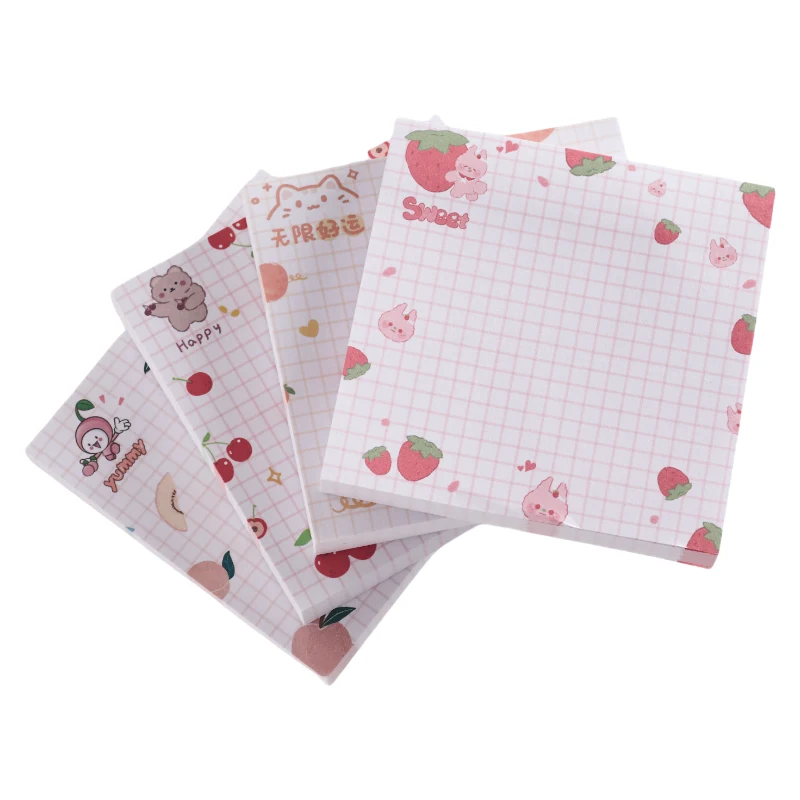
Unlike conventional sticky notes, which often contain plastic adhesives or mixed fibers that clog recycling streams, recyclable paper sticky notepads are manufactured with water-based, repulpable adhesives and 100% post-consumer or sustainably sourced paper. The magic lies in the "re-pulpability": when the note enters standard paper recycling, the adhesive dissolves, and fibers reform into new paper products. Wenzhou Yanhe Technology Co., Ltd. ensures strict compliance with global recycling standards, guaranteeing that no microplastics or permanent chemicals remain. This means your reminders, brainstorming sheets, and to-do lists can have a second life as fresh office paper, packaging, or even new notepads.
For eco-conscious offices, the difference is night and day. Many “green” notepads on the market rely on biodegradable claims that require industrial composting, whereas true recyclable notes fit seamlessly into curbside paper bins. Adopting them means zero compromise on sustainability and infrastructure compatibility.
Office workers discard roughly 20 million sticky note pads annually in North America alone. The biggest hidden pain points: adhesive residue clogs recycling machinery, mixed-waste contamination rises, and employees feel environmental guilt. Additionally, traditional notes often shed non-biodegradable binders that contribute to microplastic pollution. For procurement managers and remote workers, there’s also the “performance anxiety” — will eco-friendly notes fall off my monitor or lose stickiness after a day? The answer has evolved dramatically. Modern recyclable sticky pads now outperform their older counterparts, solving frustration while offering carbon footprint reduction. Transitioning also helps companies meet ESG goals without changing daily habits.
One persistent myth: if it’s recyclable, it won’t stick properly. But advanced engineering from manufacturers like Wenzhou Yanhe Technology Co., Ltd. proves otherwise. The repulpable adhesive features microsphere technology that delivers superior repositionability — sticks firmly to paper, glass, whiteboards, and metal, yet peels clean without tearing. A crucial technical edge: traditional removable adhesives often use acrylics that degrade recycling, but recyclable papers use natural-derived tackifiers that break down in water. Lab tests show that recyclable sticky pads maintain >90% adhesion for 6+ months under normal office conditions. This solves the pain point of “falling notes” and “curling edges.” Additionally, the paper weight (typically 70-80gsm) offers excellent opacity, preventing ink bleed-through with fountain pens or markers. Bottom line: you don’t sacrifice reliability for ethics.
Consider the heat resistance: some notepads lose tackiness near laptops. Premium recyclable options are tested up to 50°C (122°F) and 80% humidity. Want to verify a product’s recyclability? Look for certification like Repulpable Test (TAPPI UM-213). If you’re tired of sticky residue left on desks, recyclable pads are your sustainable salvation.
| Feature | Traditional Plastic-Adhesive Notes | Recyclable Paper Sticky Notepad |
|---|---|---|
| ♻️ Recyclable in standard paper stream | ❌ No (adhesive residue) | ✅ Yes (repulpable glue) |
| 🌍 Biodegradable components | Partial (paper only, glue lingers) | ✅ Full paper & adhesive degrade |
| 📌 Repositioning strength | Medium, degrades over time | High, consistent holding power |
| 📄 Sourcing material | Virgin or mixed pulp | Recycled / FSC certified available |
| 🏭 Carbon footprint (per pad) | Baseline higher | Up to 40% lower emissions |
| 🖊️ Ink compatibility | Good but can bleed | High opacity, minimal bleed |
As the table reveals, recyclable notepads are a pure upgrade — the days of choosing between planet and performance are over. For bulk office orders, the price difference has narrowed to less than 10-15%, which is negligible compared to the waste management savings.
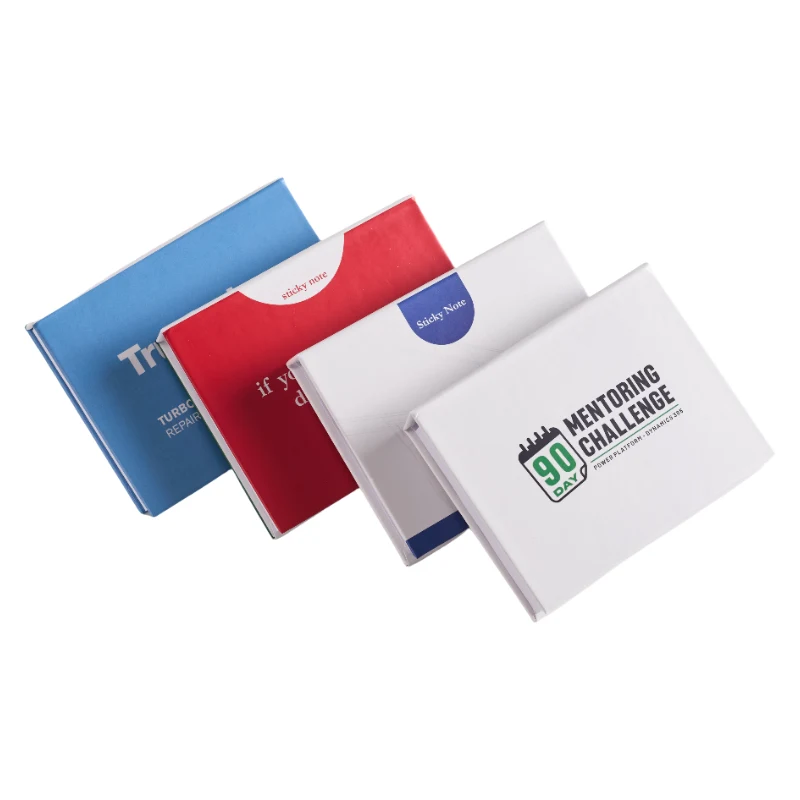
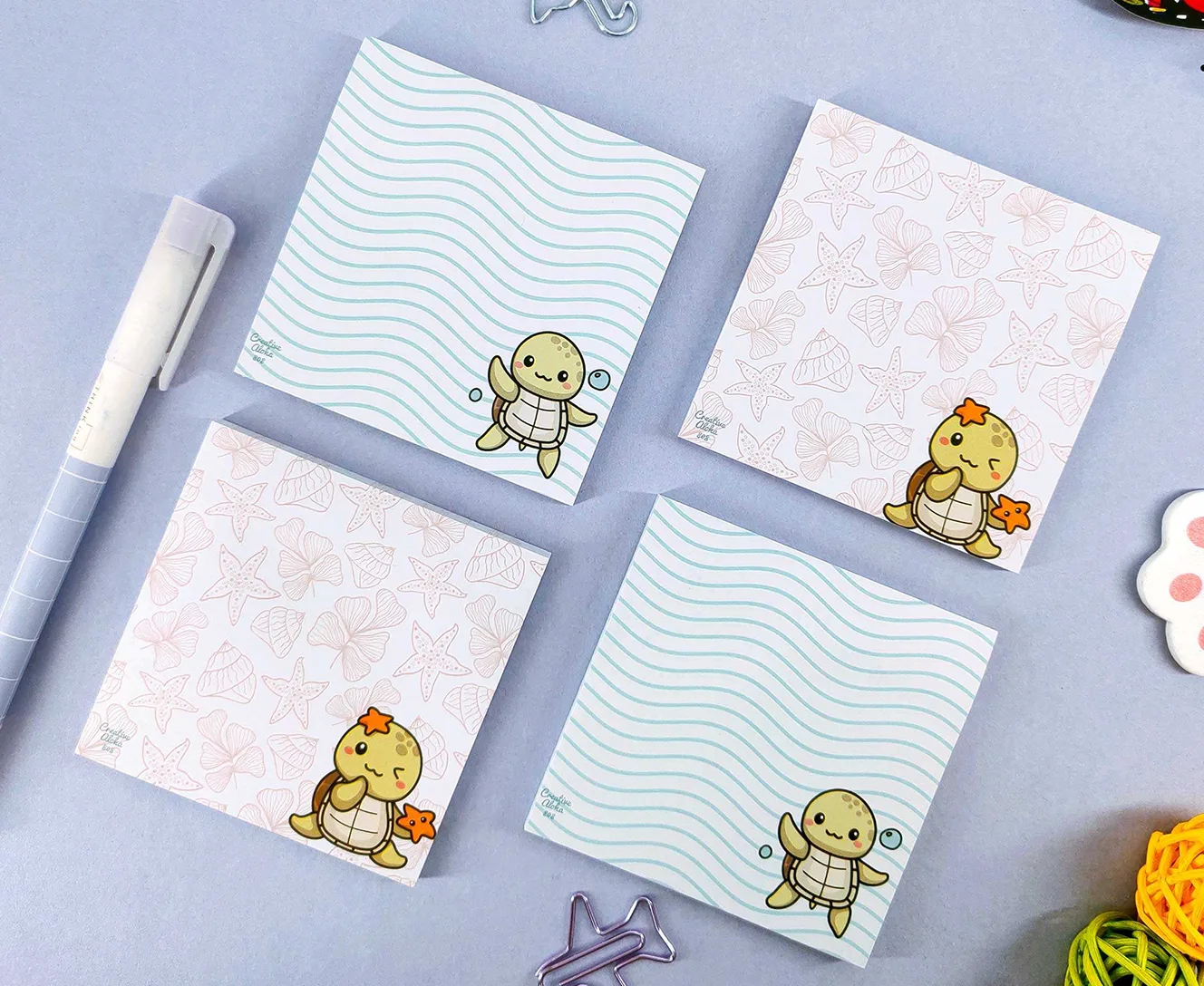
Transitioning your entire team to recyclable sticky notes is effortless. Start with a pilot program: place pads on shared tables, meeting rooms, and individual desks. Educate staff on proper disposal — simply throw used notes into paper recycling bins (no special handling). For remote workers, include a small info card about the recyclability cycle. To avoid friction, match the existing size range (3x3 inches, 3x5, cube pads) and opt for bright, vibrant colors produced with soy-based inks. Another pro tip: pair with recycled pens and whiteboard cleaners to create a holistic green workstation. Wenzhou Yanhe Technology Co., Ltd. offers customizable branding on recyclable pads, making them perfect for corporate gifts, promotional events, and internal zero-waste campaigns. You’ll notice higher employee satisfaction and less waste sorting confusion.
When you buy from reliable suppliers like Wenzhou Yanhe Technology Co., Ltd., each pad undergoes rigorous quality control, including adhesion tests under extreme office environments. Additionally, these pads are compatible with both gel ink and permanent markers, preventing smudging — a hidden frustration for note-takers.
Every sticky note represents a momentary thought — but that thought shouldn't haunt the planet for centuries. By switching to recyclable paper sticky notepads, you directly reduce office waste, promote a circular economy, and inspire colleagues to make greener choices. The technology is ready; the performance is proven; the only missing piece is your action. Whether you're a creative professional drowning in ideation stickies, a supply chain manager looking to green your procurement, or a teacher wanting to model eco-behavior, recyclable pads deliver on every front.
Imagine a world where your fleeting notes become tomorrow's notebooks — that’s the promise of true recyclability. And thanks to innovation from leaders like Wenzhou Yanhe Technology Co., Ltd., these products are available globally with consistent quality and eco-certifications. Make the move today. Contact us.