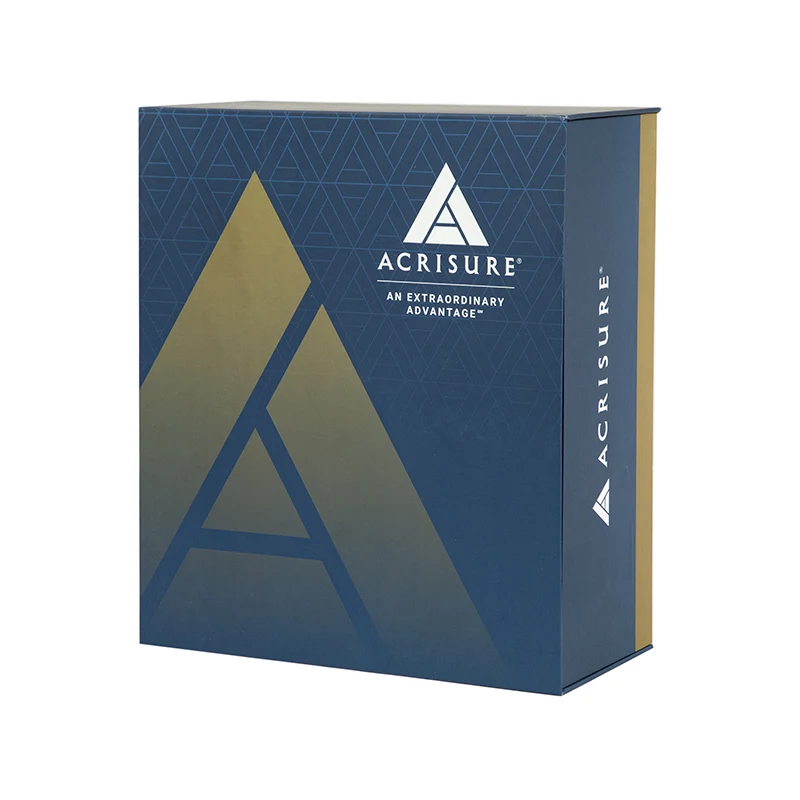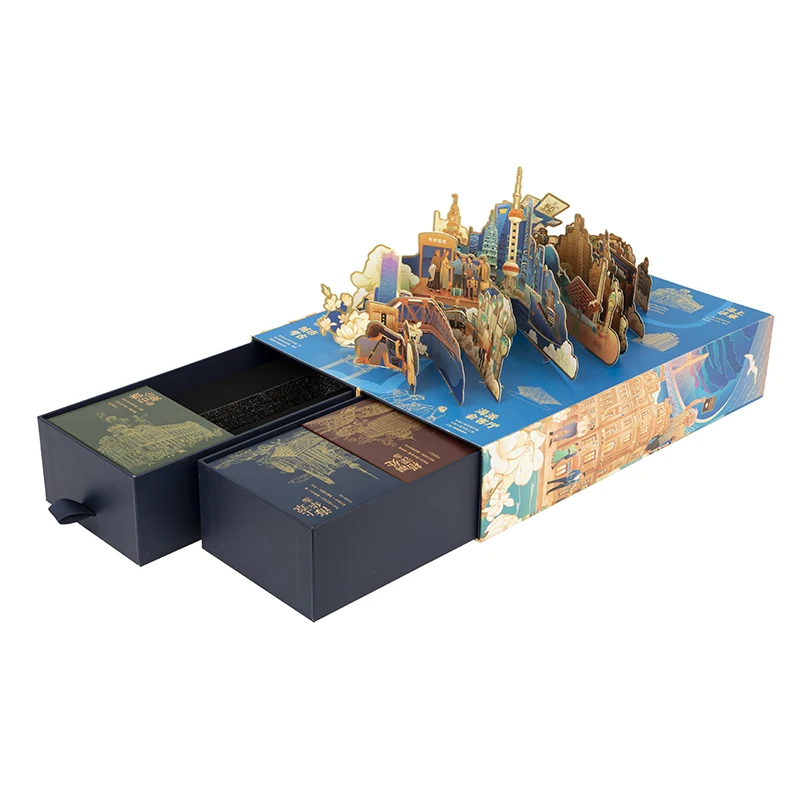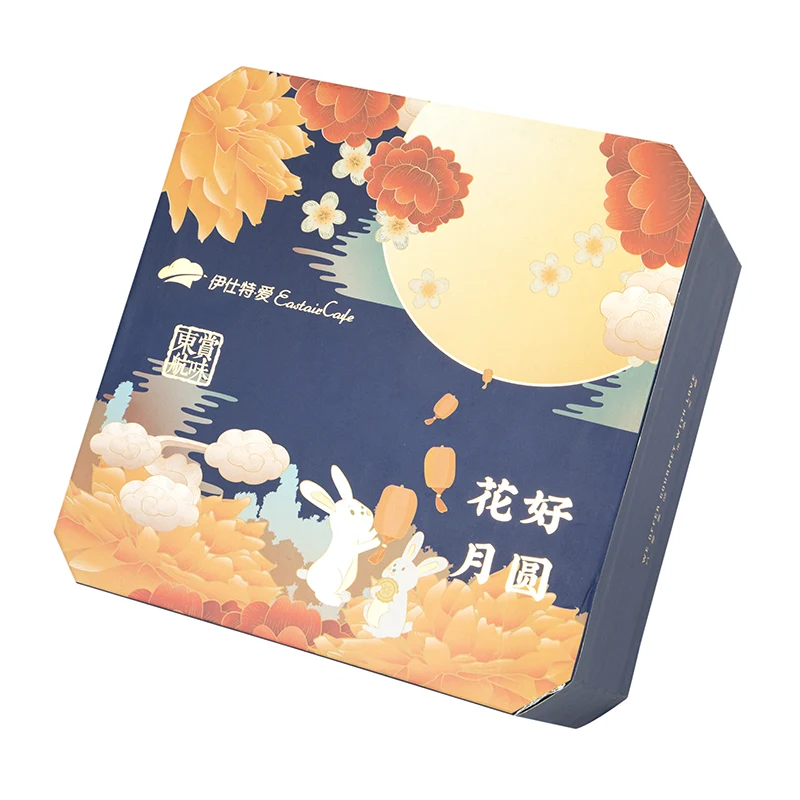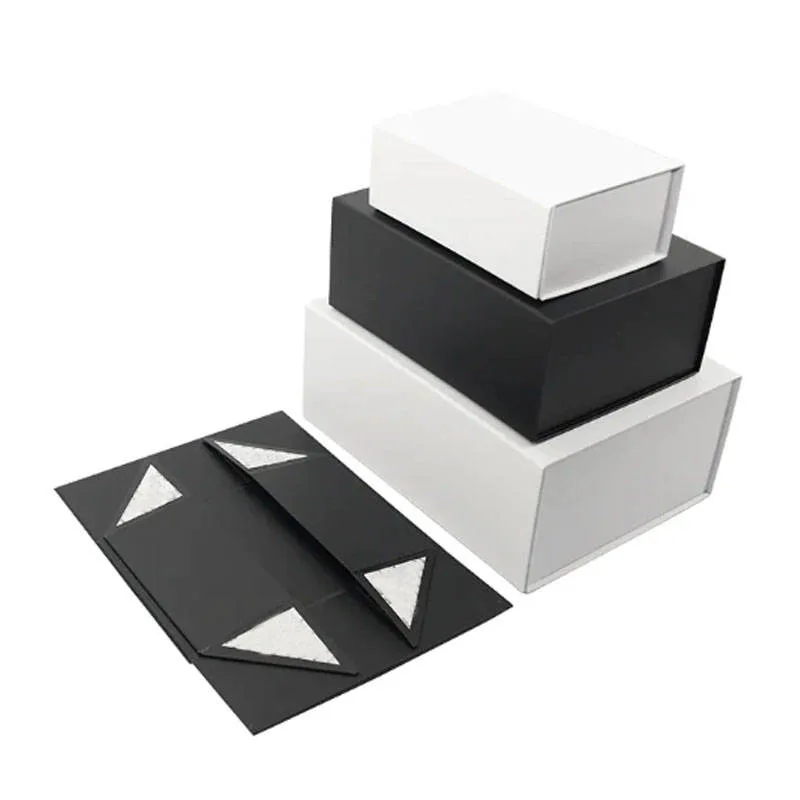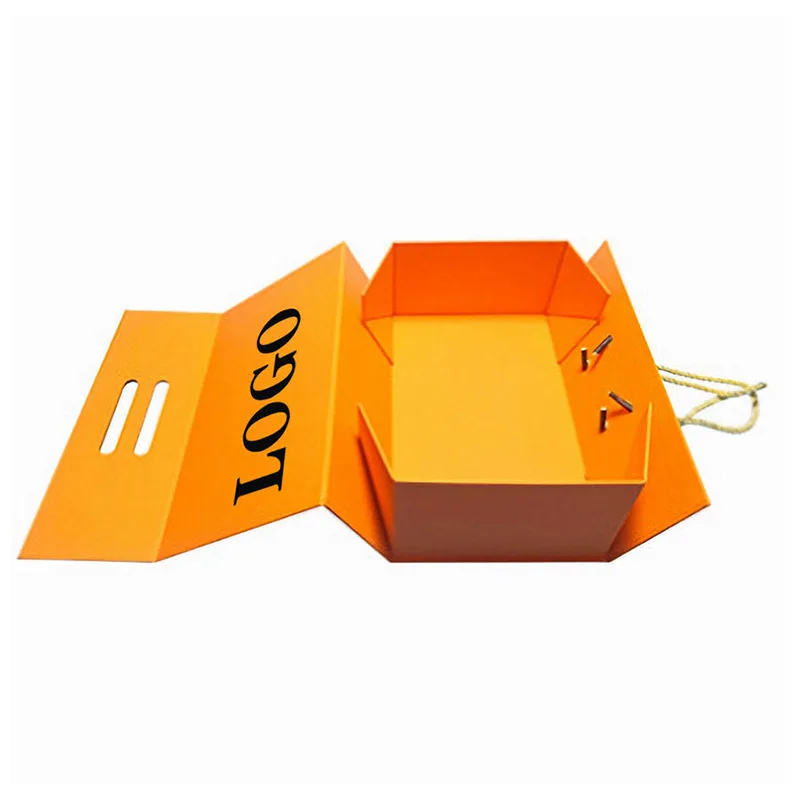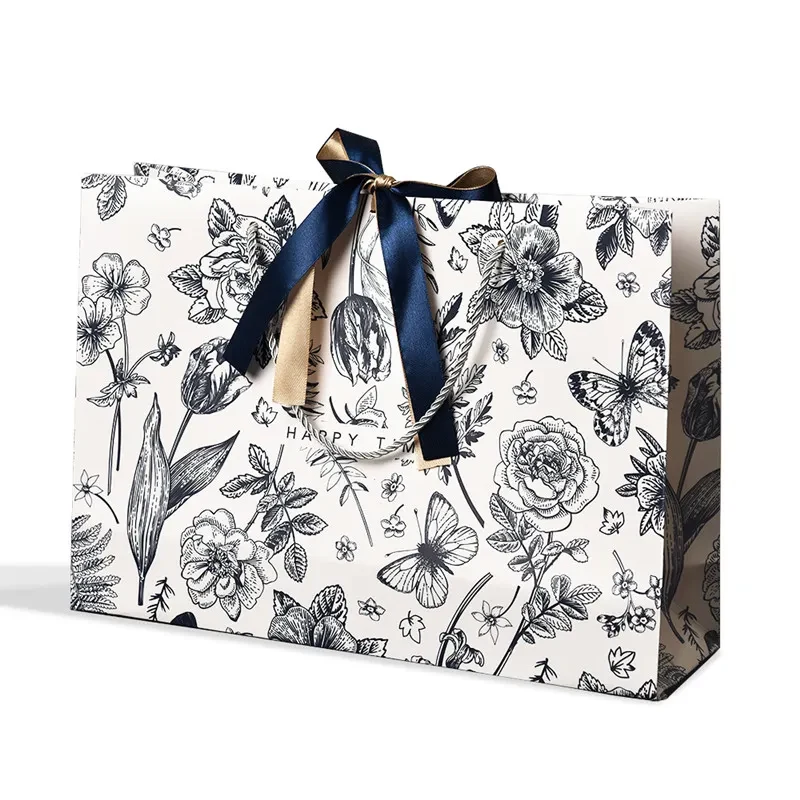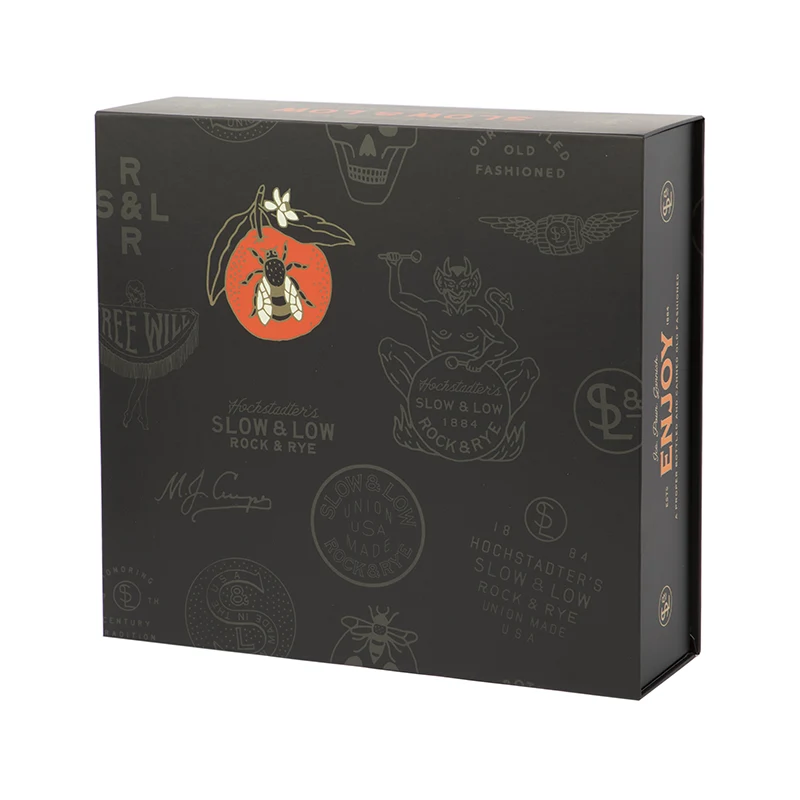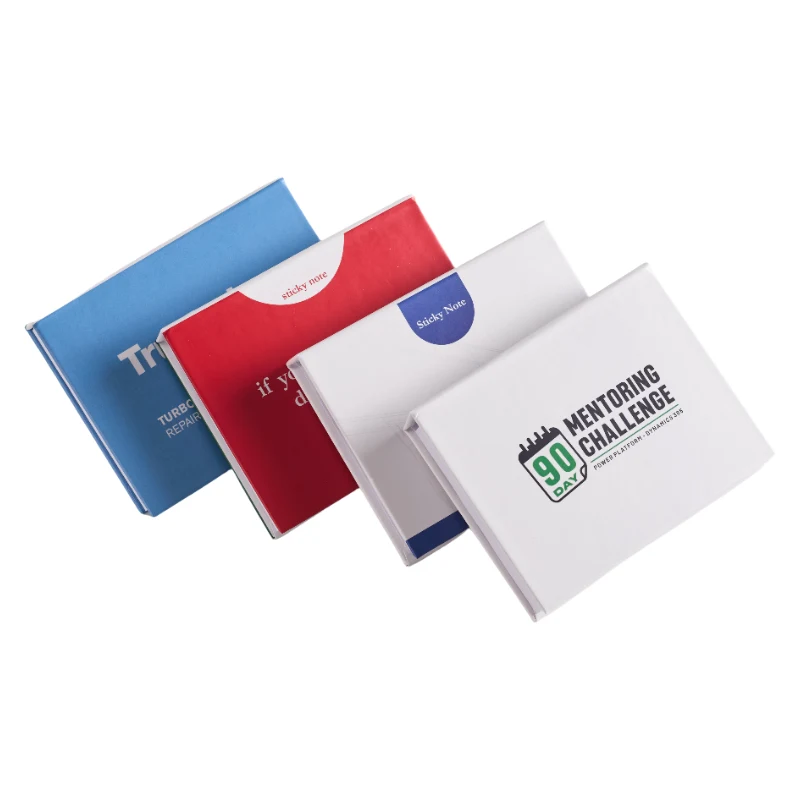
A Drawer Paper Box is a highly functional and versatile packaging solution that consists of two main parts: an outer sleeve and an inner drawer that slides in and out smoothly. This design offers easy access to the contents while providing excellent protection and a premium unboxing experience. Drawer paper boxes are widely used across various industries such as cosmetics, electronics, food, luxury goods, and retail due to their durability, customizable nature, and professional appearance.
To help you select the perfect drawer paper box for your needs, we have compiled detailed specifications covering materials, dimensions, printing options, and more.
| Parameter | Options Available | Description |
|---|---|---|
| Paper Type | Coated Cardstock, Kraft Paper, Art Paper, Recycled Board | Choose based on desired stiffness, texture, and eco-friendliness. Coated cardstock offers a smooth finish for high-quality printing. |
| Paper Weight (GSM) | 250 GSM, 300 GSM, 350 GSM, 400 GSM | Higher GSM indicates thicker, more durable paper. 350-400 GSM is recommended for heavy or fragile items. |
| Eco-Certifications | FSC Certified, Recycled Content, Biodegradable | Ensure your packaging meets environmental standards. FSC certification guarantees paper from responsibly managed forests. |
| Parameter | Standard Range | Customizable Options |
|---|---|---|
| Internal Drawer Dimensions (L x W x H) | 80mm x 50mm x 25mm to 300mm x 200mm x 100mm | Fully customizable to fit any product size. Tolerance typically ±1mm. |
| Outer Sleeve Dimensions | Slightly larger than drawer for smooth sliding | Can be adjusted for a tight or loose fit as per requirement. |
| Drawer Pull Tab | Standard half-moon cutout | Custom shapes (finger notch, ribbon slot) or reinforced tabs available. |
| Wall Thickness | Single-wall or Double-wall Board | Double-wall provides extra rigidity and protection for heavier products. |
| Parameter | Available Techniques | Best For |
|---|---|---|
| Printing Method | Offset Printing, Digital Printing, Flexography | Offset for high-volume, high-detail; Digital for short runs and variable data. |
| Color Process | CMYK, Pantone Spot Colors | CMYK for full-color images; Pantone for precise brand color matching. |
| Surface Finishing | Gloss Lamination, Matte Lamination, UV Varnish, Soft-Touch Coating | Lamination adds durability and scuff resistance; UV varnish creates glossy highlights. |
| Special Effects | Embossing, Debossing, Foil Stamping | Adds tactile and visual luxury. Foil stamping in gold, silver, or holographic finishes. |
What are the main advantages of a drawer paper box over a traditional tuck-top box?
A drawer paper box offers a more premium and interactive unboxing experience. The sliding drawer is easier to open and close repeatedly without damaging the box, unlike a tuck-top flap which can weaken over time. It also provides superior protection as the inner drawer fully encases the product, minimizing movement. The large, flat surfaces are ideal for high-impact branding.
Can drawer paper boxes be fully customized in terms of size and shape?
Yes, drawer paper boxes are highly customizable. While the fundamental drawer-and-sleeve structure remains, we can tailor the internal and external dimensions to fit any product perfectly. Custom shapes beyond standard rectangles are possible but may involve additional tooling costs. We work with you to create a prototype to ensure the fit and function meet your expectations.
What paper weight (GSM) is recommended for a sturdy drawer paper box?
For a balance of sturdiness and cost-effectiveness, we generally recommend 300 to 350 GSM paper. For lightweight items like cosmetics or jewelry, 250-300 GSM is sufficient. For heavier items such as electronic accessories or gourmet food products, 350-400 GSM or even double-walled construction is advised to prevent bulging and ensure durability.
Are there eco-friendly options for drawer paper boxes?
Absolutely. A key advantage of paper-based packaging is its sustainability. We offer options made from 100% recycled paperboard, FSC-certified materials (ensuring responsible forestry), and paper that is fully recyclable and biodegradable. Water-based inks and eco-friendly coatings can also be applied to minimize environmental impact.
How can I enhance the visual appeal of my drawer paper box?
Visual appeal can be significantly enhanced through several techniques. High-quality printing with vibrant colors and crisp details is fundamental. Adding special finishes like a soft-touch lamination for a velvety feel, spot UV for glossy accents, or elegant foil stamping in metallic colors can elevate the perceived value. Embossing or debossing your logo adds a sophisticated tactile element.
What is the typical lead time for manufacturing custom drawer paper boxes?
The lead time depends on the order quantity, complexity of customization, and the current production schedule. For standard custom orders, the typical lead time ranges from 10 to 20 business days. This includes time for design approval, proofing, plate creation (if needed), printing, finishing, and die-cutting. Rush services may be available for an additional fee.
Is it possible to include inserts or padding inside the drawer?
Yes, custom inserts are a common and effective addition. We can create and fit foam inserts, plastic trays, or paper pulp molds that hold your product securely in place within the drawer. This is crucial for preventing damage to fragile items during shipping. The inserts can be designed with compartments for multiple products.
What is the minimum order quantity (MOQ) for custom drawer paper boxes?
Our standard MOQ for custom drawer paper boxes starts at 500 pieces. This allows us to maintain cost-effectiveness in the setup process for printing plates, die-cutting molds, and other custom tooling. For simpler, non-printed versions, a lower MOQ may sometimes be negotiated.
How should I store my drawer paper boxes before use to prevent damage?
Drawer paper boxes should be stored in a cool, dry place away from direct sunlight and moisture. Store them flat in their knocked-down form (if supplied that way) to save space and prevent accidental creasing or warping. Stack them neatly and avoid placing heavy objects on top to maintain their structural integrity before assembly.